
The Complexities of the Extradition Process in Venezuela 1512514645

The Extradition Process in Venezuela: An In-Depth Analysis
The extradition process in Venezuela is a topic riddled with legal nuances and political implications. Over the years, the Venezuelan legal system has faced criticism for its handling of extraditions, which reflect broader issues in its judiciary, political climate, and international relationships. In this article, we will explore the legal framework of extradition in Venezuela, the challenges faced by authorities, and the implications of its practice for individuals and the state.}
Understanding Extradition: Definitions and Legal Framework
Extradition refers to the legal process by which one jurisdiction surrenders a suspected or convicted criminal to another jurisdiction. The purpose of extradition is to ensure that individuals fleeing justice cannot evade prosecution or punishment by crossing borders. In Venezuela, the legal foundation for extradition is primarily governed by the Venezuelan Constitution, international treaties, and specific laws. The constitution allows for extradition but under certain conditions, emphasizing the importance of human rights.
International Treaties and Agreements
Venezuela is bound by various international treaties that dictate extradition procedures. Its commitment to regional agreements, such as the Inter-American Convention on Extradition, facilitates cooperation among Latin American countries. This convention outlines the legal obligations for states to extradite individuals in accordance with established norms, although adherence varies across nations.
The Extradition Process in Venezuela
The extradition process in Venezuela involves multiple steps, often starting with a formal request from the country seeking extradition. This request must be accompanied by evidence of the crime and the legal basis for the extradition according to Venezuelan law. The process can be lengthy and complex, often involving judicial reviews and the potential for political influence.
Judicial Authority and the Role of the Supreme Court
The Venezuela Supreme Court plays a critical role in the extradition process. It is responsible for reviewing extradition requests and determining their legality. In practice, this can lead to significant delays, especially if the Supreme Court is perceived as politicized. Decisions can be influenced by various factors, including diplomatic relations and public opinion, creating an unpredictable environment for extradition.
Political Implications
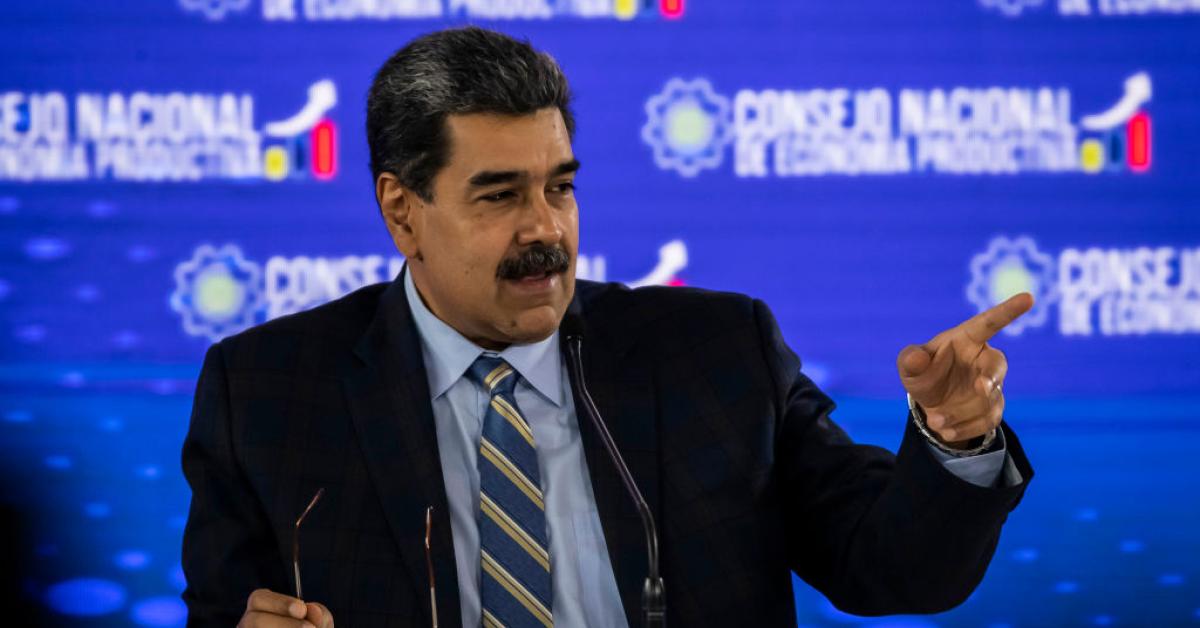
Extradition cases in Venezuela often intersect with political issues, particularly in a country marked by deep political divisions. High-profile cases may attract media attention and public scrutiny, leading to interventions from political figures who may seek to sway judicial outcomes. This politicization complicates the extradition process, as decisions may not be solely based on legal grounds.
Challenges in the Extradition Process
Numerous challenges hinder the extradition process in Venezuela, including bureaucratic inefficiencies and corruption. Delays in processing requests can be exacerbated by a lack of adequate resources and a overwhelmed judicial system. Moreover, the potential for human rights violations remains a concern, as some individuals may fear persecution or unfair treatment if extradited.
Corruption and its Impact
Corruption presents a significant challenge to the extradition process. Reports of bribery and manipulation throughout the judicial system can undermine trust in the process. When individuals perceive that their requests for extradition may be subject to corrupt practices, it complicates international cooperation and blurs the lines of accountability.
Human Rights Concerns
Human rights considerations are vital in extradition cases, particularly concerning the treatment of individuals upon their return to Venezuela. Concerns about torture, inhumane treatment, and lack of du
e process often contribute to the reluctance of foreign countries to extradite individuals to Venezuela. Ensuring that the extradition process adheres to international human rights standards is essential for maintaining a fair judicial process.
Conclusion
The extradition process in Venezuela is a complex interplay of legal, political, and social factors. While it is vital for upholding justice and international cooperation, numerous challenges complicate its execution. A focus on reforming the judicial system, enhancing transparency, and prioritizing human rights can lead to a more effective extradition process in the future. As Venezuela continues to navigate its legal landscape, understanding these dynamics is crucial for anyone interested in the rule of law and international relations.
