
Understanding the Shift From Physical SIMs
Best eSIM Data Plans for Travel Buy Now and Stay Connected
Ever wished you could get online the second you land somewhere new? An eSIM data plan is a digital profile that lets you connect to a local mobile network without needing a physical plastic SIM card. You simply scan a QR code or download the plan, then toggle it on in your phone’s settings. This gives you instant, affordable data while keeping your original number active, making travel remarkably hassle-free.
Understanding the Shift From Physical SIMs
Understanding the shift from physical SIMs means recognizing that travel data connectivity is no longer tethered to a plastic chip. With an esim data plan, you activate your service instantly through a QR code or app, sidestepping the old hassle of hunting for local SIM kiosks or swapping cards between devices. This shift eliminates the risk of losing your fragile physical SIM while abroad and allows you to store multiple plans on a single smartphone. Switching between providers for better coverage or rates becomes a matter of a few taps, not a visit to a store. Ultimately, this evolution transforms a clunky hardware dependency into a fluid, software-driven experience where your data plan lives in the cloud, ready to connect you anywhere.
How Embedded SIM Technology Simplifies Global Connectivity
Embedded SIM technology simplifies global connectivity by eliminating the need to swap physical cards when crossing borders. An eSIM data plan lets you instantly download a local profile directly onto your device, connecting you to the regional network within minutes. This means no more hunting for a store or dealing with tiny, fragile chips. With eSIM, you can store multiple profiles and cut roaming costs by over-the-air activation. This direct digital provisioning turns your phone into a global communicator, ready for any country.

Q: How does an eSIM simplify switching networks abroad?
A: It lets you purchase and activate a new data plan from your phone’s settings without inserting a physical card, making the transition seamless.
Key Differences Between Traditional SIM Cards and Digital Profiles
The core difference lies in physical tangibility versus digital agility. A traditional SIM is a plastic card you must insert, manually swap, or risk losing, locking you to one carrier at a time. A digital profile, however, is a software-based configuration downloaded directly to your device, allowing you to switch network profiles instantly without touching any hardware. While a physical SIM ties your service to a specific slot, digital profiles let you store multiple data plans simultaneously, enabling seamless toggling between a local and a home eSIM data plan with a few taps—a flexibility impossible with a static card.
Evaluating Network Coverage and Speed
When picking an eSIM data plan, evaluating network coverage means checking the provider’s partner networks, not just their own map. Speed is tied to local carriers, so look for plans using premium-tier networks rather than standard roaming ones. Before committing, search user reports on real-world speeds in your specific destinations. A key reality:
Many eSIMs throttle after a data cap, turning fast coverage into unusably slow connections during critical moments.
Always check if the plan offers “unlimited” data with a soft cap or guaranteed high-speed tiers, as this directly impacts your actual experience.
Regional vs. Global Carrier Partnerships Explained
When picking an eSIM, understanding carrier partnerships helps you choose. A regional partnership means your eSIM connects to local networks within one area, like Europe or Asia, offering cheaper, faster speeds for specific travel. A global partnership links providers worldwide for broader, more convenient coverage, but may be slower or pricier. Regional vs. Global Carrier Partnerships Explained affects whether you save money or gain simplicity. Q: How do I know if a plan uses a regional or global partner? A: Check the provider’s coverage map. If it lists specific countries, it’s regional. If it says “global” with a single contact, it’s a worldwide network.
5G and LTE Performance Across Different Providers
When choosing an eSIM data plan, real-world 5G and LTE performance across different providers varies wildly. For example, a T-Mobile eSIM often delivers faster peak 5G speeds in urban centers, but its LTE in rural zones can be slower than Verizon’s more consistent, lower-frequency LTE coverage. AT&T tends to offer a balanced mix, with reliable mid-band 5G for streaming without sudden drops. To pick the best network for your travel or daily use:
- Check provider coverage maps for your specific destinations.
- Test activation with a short-term eSIM plan first.
- Monitor speed tiers since some eSIMs cap LTE to 10 Mbps.
A provider’s performance can shift dramatically between a city’s core and its surrounding suburbs.
Comparing Short-Term Travel Passes and Long-Term Subscriptions
When picking an eSIM data plan, short-term travel passes are perfect for a quick trip—you pay a flat fee for a set chunk of data over a few days, no commitment needed. Long-term subscriptions, on the other hand, are better if you’re a digital nomad or frequently visit the same region, as they auto-renew monthly and often cost less per gigabyte. The trade-off is flexibility: passes let you switch providers easily, while subscriptions lock you into a cheaper rate. That lower per-GB cost, however, only pays off if you actually use enough data to exceed what a short-term pass offers. For a two-week vacation, passes win; for six months abroad, a local regional subscription saves hassle and cash.
Flexible Duration Options for Tourists vs. Digital Nomads
For tourists, flexible duration eSIM plans are all about grabbing a short, fixed pass—like 7, 14, or 30 days—that covers a single trip without worrying about renewals. Digital nomads, however, need plans that can stretch for months or offer easy top-ups, letting them pause or extend service as they hop between countries. Tourists pay a flat fee for a set period and data cap, while nomads often choose monthly rollover options to avoid wasting unused gigabytes. A quick comparison helps:

| Tourist Needs | Digital Nomad Needs |
|---|---|
| Fixed 7–30 day passes | Monthly or 90-day plans |
| No renewal required | Auto-renewal or easy top-ups |
| Prepaid data caps | Rollover data or unlimited options |
Data Caps, Throttling Policies, and Unlimited Tiers
Short-term travel eSIM passes often impose strict data caps and throttling policies, activating a reduced speed once the allotted high-volume tier is exhausted, which can cripple navigation or streaming. In contrast, long-term subscriptions typically offer unlimited data tiers, but a deeper analysis reveals they frequently throttle connections after a specific usage threshold—sometimes as low as 20GB per month—rendering the “unlimited” label conditional for heavy users. Travelers must match the tier’s actual throttled speed to their critical tasks, such as video calls versus messaging.
- Short-term caps are rigid and hard-limited, with immediate throttling to 128–256 kbps after reaching the data bucket.
- Long-term “unlimited” tiers may deprioritize traffic after 50GB, causing severe slowdowns in congested areas.
- Travel passes with no throttling policies at all are rare and usually command a premium price.
- Unlimited tiers often include a fair-use clause, resulting in unpredictable throttling after sustained heavy usage.
Selecting the Right Provider for Your Destination
When selecting the right provider for your destination, prioritize local network coverage over flashy app features. A provider that partners with strong local carriers ensures reliable speeds, especially in less touristy areas. Quick Q&A: What’s the biggest provider mistake? Choosing a global plan without checking if it uses a single weak network abroad—always look for providers offering dual-network fallback. Also, confirm your plan includes hotspot tethering if you’ll share data between devices. Finally, read recent user reviews specific to your destination for real-world speed and activation feedback.
Top-Rated Services for Europe, Asia, and North America
For top-rated eSIM providers for Europe, Asia, and North America, Airalo offers budget-friendly regional packs covering all three areas, while Holafly stands out with unlimited data in Europe and Asia but not North America. Ubigi provides strong, consistent speeds in Japan and the US. Note that some services, like Airalo, require manual APN setup on older phones for full reliability.
| Region | Top Choice | Key Feature |
|---|---|---|
| Europe | Airalo | Affordable multi-country plans |
| Asia | Holafly | Unlimited data in 20+ countries |
| North America | Ubigi | Fast LTE/5G in US and Canada |
Reading Fine Print on Roaming Agreements and Activation Fees
Before you buy, scrutinize the roaming agreement’s fine print for eSIM data plans. Activation fees often hide in the terms, with some providers charging a one-time fee simply to enable the plan, while others include it for free. Check if your destination is actually covered under the listed “zone” or if it incurs a surcharge. Data caps may be soft versus hard, with the fine print defining exactly when your speed throttles or service cuts off. Look for clauses about “fair usage” limits on unlimited plans, which can drastically reduce speeds after a few gigabytes. Overlooking these details turns a seemingly cheap plan into an expensive surprise.
| Fine Print Detail | Why It Matters |
|---|---|
| Activation Fee | One-time cost to start service; varies by provider |
| Coverage Zone | Popular destinations may be excluded or tiered differently |
| Data Cap Type | Hard cap stops data; soft cap throttles speed |
| Fair Usage Clause | Unlimited plans often have a hidden high-speed limit |
Managing Multiple Profiles on a Single Device
Managing multiple profiles on a single device with an eSIM data plan eliminates the need to swap physical SIMs. You can store several mobile network operator profiles directly on your phone and switch between them instantly via software settings. This is ideal for separating work and personal data lines without carrying two devices. Only one profile can be active for cellular data at a time, but you can keep others dormant. Activate a local data plan when traveling while maintaining your home number for calls. This direct control over digital SIM profiles ensures you always use the best plan for your current location or budget, all from the same phone.
Switching Between Work and Personal Lines Seamlessly
Switching between work and personal lines seamlessly on a single eSIM device feels like magic once it’s set up. You can toggle between profiles in your phone’s settings without swapping physical SIMs, keeping your calls and messages separate. For smooth transitions, label each line clearly (e.g., “Work” and “Home”) and use your handset’s quick-switch shortcut. This makes it simple to mute your work number after hours or keep personal chats private during meetings.
- Assign distinct ringtones or notification sounds to each line for instant recognition.
- Use your device’s “secondary SIM” slot for the second profile, enabling parallel standby.
- Pre-set do-not-disturb rules for the work line to activate outside office hours.
- Test your dual-profile toggle ahead of time to avoid call confusion on busy days.
Storing Backup Plans for Emergency Connectivity
Storing backup plans for emergency connectivity within an eSIM data plan involves preloading secondary profile credentials before a primary connection fails. This requires downloading and activating a separate, low-data eSIM onto your device while your primary eSIM remains active, ensuring immediate failover without scanning QR codes or logins. For logical preparation, follow this sequence: emergency eSIM profile staging first requires manual selection of a secondary plan offering https://baztel.co/esim-plans/esim-uk pay-as-you-go or minimal validity within your eSIM management menu. Next, assign this profile as a “fallback” in data switching settings. Finally, disable its data roaming until needed, reserving it solely for connectivity loss scenarios to conserve the stored capacity. This eliminates reliance on Wi-Fi or physical SIM swaps during crises.
Pricing Structures That Fit Your Budget
You’re planning a two-week trip across Europe, juggling a tight budget and a need for reliable maps. With eSIM data plans, you skip the airport kiosk and pick a pricing structure that fits your spending style. Maybe you choose a regional bundle covering all your destinations for a flat fee, avoiding per-country markups. If you only need email and messaging, a low-data tier at a few dollars saves cash—no unused gigabytes wasted. Alternatively, top-up plans let you start with 1GB and add more only when you run out, adjusting mid-trip. The key insight: many eSIM plans charge no hidden daily activation fees, so what you see as the upfront price is the total cost for your data allowance. This direct control turns your phone into a budget-friendly travel companion, not a bill surprise.
Pay-As-You-Go Options vs. Fixed Monthly Rates
For eSIM data plans, Pay-As-You-Go options let you buy top-ups as needed, perfect for avoiding waste on light travel weeks. Fixed monthly rates lock in a set data cap for a predictable bill, suiting regular heavy users. Budget-friendly eSIM flexibility truly shines with pay-as-you-go when your data needs fluctuate. Consider a fixed rate if you stream daily, but switch to top-ups for sporadic getaways.
Pay-As-You-Go offers cost control for occasional use; Fixed Monthly Rates provide data stability for consistent heavy usage.
Hidden Charges to Watch For When Buying Digital Connectivity
When evaluating eSIM data plans, scrutinize the fine print for activation fees that inflate the upfront cost, often hidden as “service setup” charges. Throttling policies after reaching a “full-speed” data cap can silently degrade connectivity, effectively billing you for unusable bandwidth. Watch for automatic renewal at inflated rates without clear notification, or charges for retaining an eSIM profile after plan expiry. Beware of zero-balance disconnection fees that bill you for usage even after your data resets, a common trap in prepaid models.
Hidden charges like activation fees, throttling penalties, and auto-renewal shocks undermine budget plans; always verify the cost of total data usability, not just the advertised price.
Installation and Activation Process
The installation and activation process for an eSIM data plan is immediate and fully digital. After purchasing, you receive a QR code or a manual activation code via email. Scanning the QR from your phone’s cellular settings installs the eSIM profile in under a minute. You then label the line (e.g., “Travel Data”) and set it as your default for mobile data. Activation is automatic upon connecting to a network; no physical SIM swap or store visit is required.
Your existing physical SIM remains active for calls and texts while the eSIM handles data simultaneously.
Ensure your device is unlocked and carrier-compatible, then toggle data roaming on if abroad—the process completes with full connectivity instantly.
Step-by-Step Guide to Scanning QR Codes
To activate your eSIM data plan, begin by accessing your device’s cellular settings and selecting “Add Cellular Plan.” Your carrier will provide a QR code via email or account portal; ensure your screen brightness is high for easy scanning. Frame the code within your camera’s viewfinder, and tap the notification that appears. The phone will automatically download the eSIM profile installation. Wait for a confirmation message, then label the new line (e.g., “Travel Data”) before setting it as your default for cellular data. Do not delete the code until activation completes.
Troubleshooting Common Errors During Setup
When setting up your eSIM data plan, running into an “Invalid QR Code” error usually means you’re scanning the wrong code or it’s expired—double-check the email from your provider. If activation gets stuck on “No Service,” ensure your phone is unlocked and that you’ve turned off your physical SIM in settings. A failed download often stems from a spotty Wi-Fi connection, so switch to a stable network and retry. Rebooting the device typically resolves vague “Activation Error” messages. For persistent issues, clearing your network cache in your phone’s cellular settings can refresh the eSIM profile without needing a new code.
Security Benefits of a Virtual Network Identity
A virtual network identity for your eSIM data plan acts as a disposable shield for your primary number. By routing all mobile data through this separate, cryptographically isolated profile, you prevent websites and apps from associating your cellular activity with your real phone number or device identity. This segmentation dramatically reduces your exposure to data breaches and SIM-swap attacks, as the virtual identity can be revoked or switched instantly without affecting your main line. The enhanced privacy protection ensures that your actual location and personal identifiers remain hidden from prying networks. Furthermore, secure connection isolation means that even if a public network is compromised, the virtual identity’s unique authentication key limits the damage, keeping your core credentials and financial data completely separated from the eSIM’s data tunnel.
Protecting Privacy With Temporary Numbers
Protecting privacy with temporary numbers is a core security benefit of an eSIM data plan, allowing users to shield their real identity during transactions. By activating a disposable virtual number for each service—like app sign-ups or online purchases—you prevent tracking and spam. These numbers auto-expire, ensuring no lingering data trail exposes you to breaches. This method of Protecting Privacy With Temporary Numbers effectively decouples your personal line from digital interactions, making it impossible for marketers or hackers to link activities back to you. Q: How does a temporary number prevent data harvesting? A: It creates a one-use barrier; once discarded, the number cannot be mined for future profiling or sold to third parties, directly controlling your digital footprint.
Encryption Standards in Modern Digital Roaming
Modern digital roaming over eSIM data plans relies on end-to-end encryption standards such as AES-256 and TLS 1.3 to secure user traffic between the handset and visited network. These protocols encrypt session keys and payload data at the transport layer, preventing interception during inter-network handovers. The eSIM profile itself authenticates via mutual TLS to the home carrier’s HLR, ensuring cipher negotiation remains isolated from the roaming partner’s management plane. This prevents downgrade attacks and ensures that even if the local network is compromised, your data tunnel remains cryptographically intact from device to gateway.
Real-World Use Cases and Traveler Feedback
Travelers consistently report that eSIM data plans eliminate the hassle of physical SIM swaps, especially during multi-country trips. Real-world use cases highlight instant activation upon landing, avoiding queues for local SIM cards. Feedback from backpackers in Europe and Asia emphasizes seamless switching between local carriers for optimal signal. One common praise is the ability to keep the primary home number active for calls and SMS, while using the eSIM exclusively for data roaming. Business travelers note the convenience of pre-loading plans for frequent transits, with no need to carry multiple physical cards. However, some feedback points to slower speeds on certain data-only eSIMs in remote areas compared to local postpaid plans. Overall, user reviews strongly favor eSIMs for short-term or multi-destination trips, citing time saved and simpler connectivity management.
Experiences of Frequent Flyers and Cruise Passengers
Frequent flyers and cruise passengers report that eSIM data plans eliminate the hassle of swapping physical SIMs across multiple ports or layovers, allowing seamless connectivity upon arrival. For flyers, coverage often activates instantly in transit hubs, while cruisers value plans with multi-country reach to stay connected as ships dock in different nations. Feedback highlights that eSIMs avoid the premium roaming charges imposed by shipboard Wi-Fi, though users note variable speeds in remote ocean regions or during high-altitude flight.
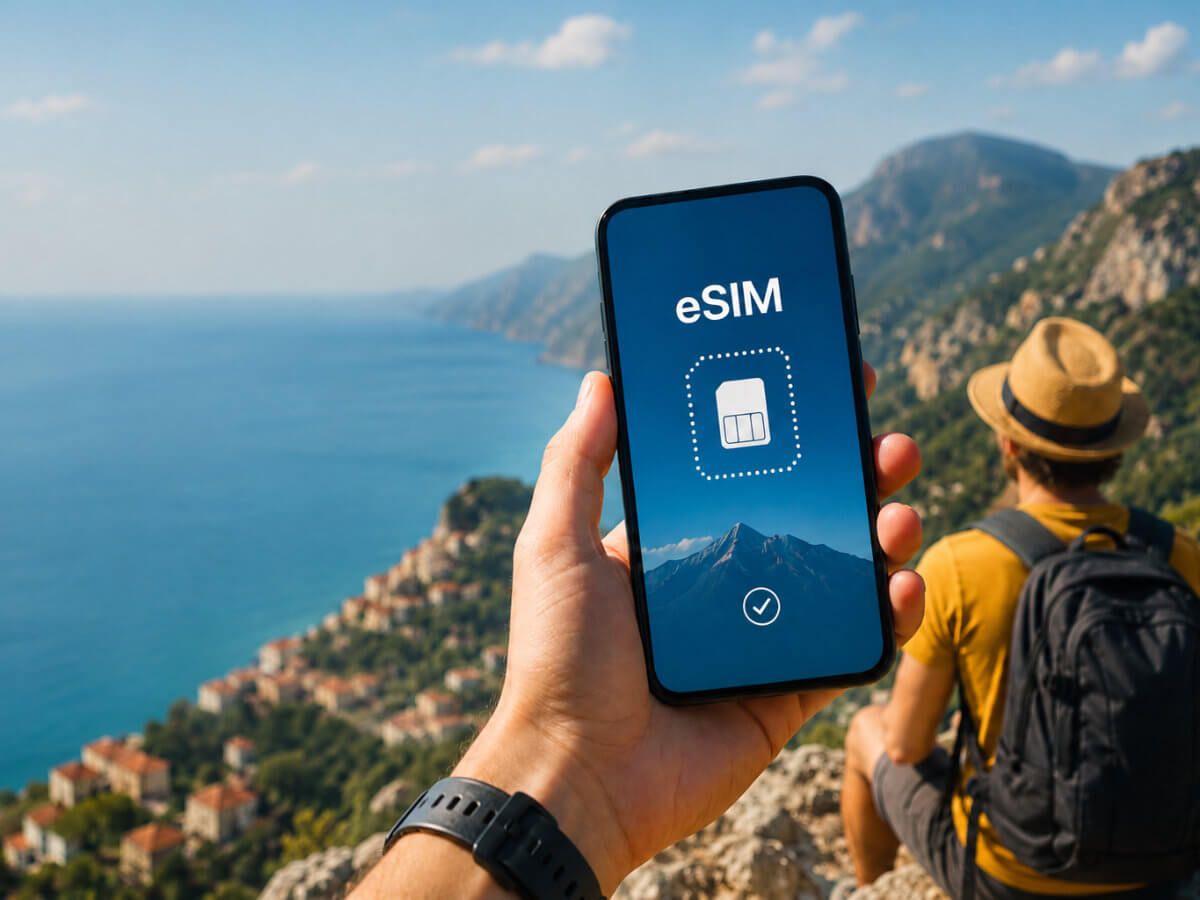
- Flyers rely on eSIMs to maintain access to flight updates and messaging during tight connections without juggling local SIMs.
- Cruisers use eSIMs for port-based data, avoiding ship Wi-Fi fees, while on-board streaming remains limited by satellite latency.
- Repeat travelers cite top-up flexibility as critical, allowing plan adjustments before unplanned stops or schedule changes.
Business Travelers Who Rely on Stable Remote Access
Business travelers who rely on stable remote access demand an eSIM data plan that guarantees consistent, low-latency connectivity for VPN-intensive tasks like accessing corporate servers or cloud-based CRM tools. These users prioritize uninterrupted VPN performance across multiple country borders to avoid dropped calls or lag during virtual board meetings. A single eSIM profile with global carrier partnerships eliminates the risk of switching physical SIMs between jurisdictions, while automatic network selection reduces manual troubleshooting mid-flight or between trains.
- Select eSIM providers offering carrier-agnostic failover to maintain session persistence during congestion.
- Verify support for APN customization required by enterprise security protocols.
- Prefer plans with priority data tiers to avoid throttle during peak business hours.
Future Trends in Mobile Internet Access
Future mobile internet access via eSIM data plans will eliminate physical barriers, enabling instant carrier switching for optimal local speeds without swapping SIMs. A single eSIM profile will soon hold multiple active data subscriptions, letting users prioritize 5G standalone networks in one country or satellite-based roaming in remote zones. Plans will become hyper-personalized, offering real-time bandwidth scaling based on app usage, such as boosting streaming quality for a video call while throttling background updates. Devices will automatically arbitrate between onboard eSIMs and cloud-based virtual SIMs, ensuring seamless handover between LTE, 5G, and future 6G slices. This shift makes the physical SIM card obsolete, giving you direct control over connectivity quality and cost per session.
Potential Integration With Wearable Devices

Integration with wearable devices transforms the eSIM data plan by enabling a shared, independent connection for smartwatches, fitness trackers, and AR glasses. An eSIM allows wearables to operate without a paired smartphone, providing standalone data for notifications, GPS, and streaming. This setup uses a single number and data pool, eliminating physical SIM swaps. The key advantage is seamless wearable connectivity, where users manage one plan across devices via a carrier dashboard. Practical use includes real-time health monitoring uploads and untethered voice calls, optimizing battery life by offloading data tasks.
An eSIM data plan powers wearables as autonomous devices, sharing one subscription for uninterrupted, device-specific mobile access.
Advances in Automated Carrier Switching Technology
Advances in Automated Carrier Switching Technology now enable eSIM data plans to seamlessly transition between networks without user intervention. This technology continuously monitors signal strength, latency, and cost metrics, triggering an intelligent network handoff when a superior connection becomes available. The process involves a clear sequence:
- Analyzing real-time performance data from all subscribed carriers.
- Verifying the target carrier’s capacity and compatibility for the current session.
- Executing the switch using an eSIM profile reconfiguration, typically sub-second.
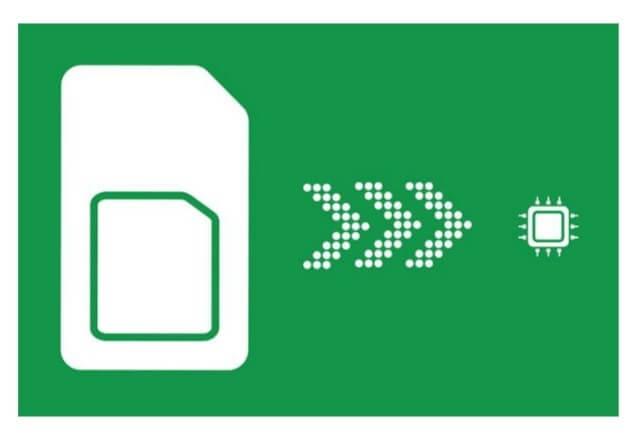
This eliminates manual profile swapping and ensures sustained high-bandwidth connectivity for demanding applications like video streaming or remote work.
What Exactly Is an eSIM Data Plan and How Is It Different
How the embedded SIM stores your cellular profile without a physical card
Key differences between a traditional SIM and a programmable digital profile
How to Activate and Start Using a Digital Data Plan
Step-by-step setup process from purchase to first connection
What you need on your phone before installing a new data profile
Core Benefits You Get from Switching to a Virtual Data Package
Instant activation and the ability to switch carriers without swapping cards
Keeping your home line active while using a separate data-only profile
How to Choose the Right eSIM Data Plan for Your Travel or Daily Use
Comparing prepaid data volumes, speed caps, and coverage zones
Picking between regional, global, and single-country data packages
Practical Tips for Managing Your Digital SIM and Avoiding Surprises
How to track data consumption and top up when running low
What happens if you delete the profile or switch devices mid-plan
Common Questions About Compatibility and Device Limitations
Which phones support digital SIMs and how to check your model
Can you have multiple data plans active at once on the same phone
