
Winning big: The psychology of luck in gambling
The Nature of Luck in Gambling
Luck is often viewed in gambling as an elusive force, central to the excitement and unpredictability of various games. At its essence, luck represents the randomness that characterizes many gambling experiences, suggesting that results can defy preparation or strategy. This perception creates a psychological allure, drawing players into the belief that they can somehow harness luck to their advantage, despite the inherent uncertainties. For many, finding the right platform, such as instant withdrawal casinos , can amplify this thrill and enhance the overall gambling experience. By understanding this concept, one can gain insights into the reasons many individuals are attracted to gambling, even amid its risks.
Additionally, the belief in luck can be heavily influenced by cognitive biases, such as the gambler’s fallacy, where individuals mistakenly think that past events can influence future outcomes in games of chance. This cognitive error leads players to pursue losses or continue betting based on a perceived winning streak. Such thought patterns contribute to a complex relationship with luck, where players oscillate between hope and despair, often resulting in continued engagement in gambling activities despite experiencing unfavorable results.
Cultural and societal interpretations of luck also shape personal beliefs regarding gambling. Different cultures attribute various meanings to luck, which in turn impacts how individuals approach games of chance. For instance, some cultures may view luck as a mystical force, while others adopt a more skeptical perspective. These differing viewpoints not only influence personal attitudes toward gambling but also the strategies players employ when engaging in these activities, illustrating the intricate interplay of psychological factors associated with the concept of luck.
The Emotional Rollercoaster of Gambling
The act of gambling evokes a wide range of emotions, from exhilaration to despair, as players navigate wins and losses. This emotional rollercoaster is closely tied to the psychological principle of intermittent reinforcement, where unpredictable rewards amplify excitement. When individuals win, they often experience a euphoric rush, a sense of accomplishment that reinforces their desire to keep playing. Conversely, losses can lead to feelings of frustration, sadness, or even anger, highlighting the dual nature of emotional responses within gambling contexts.
The thrill of winning creates a powerful feedback loop, encouraging players to deepen their engagement. This phenomenon is further heightened by near-miss outcomes, where players almost achieve victory, perpetuating the belief that success is just within reach. Such near-misses can lead to increased gambling behaviors as individuals rationalize their strategies based on emotional highs and lows rather than on statistical realities. Recognizing this dynamic is essential to understanding how emotions can cloud judgment and enhance the appeal of gambling.
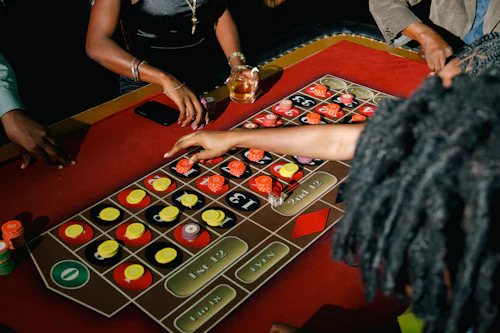
Ultimately, gambling often becomes a way for individuals to seek emotional highs that may be missing from their everyday lives. The excitement associated with potential gains and the adrenaline rush tied to risk-taking act as compelling motivators. However, this emotional investment can lead to compulsive behaviors as individuals chase the highs of winning while struggling to cope with the lows of losing. Understanding the emotional implications of gambling is crucial for both players and industry stakeholders in promoting healthier gambling environments.
The Role of Superstitions and Rituals
Superstitions and rituals significantly influence gambling psychology, as players often engage in specific behaviors to enhance their perceived likelihood of winning. These rituals can range from simple actions, such as wearing lucky clothing, to more elaborate routines, each providing a sense of control and agency in an otherwise unpredictable environment. Engaging in these behaviors often serves to alleviate anxiety or boost confidence, allowing players to enter a more positive mental state before or during gambling sessions.
Interestingly, these superstitious practices frequently intersect with cultural traditions, as many players adopt behaviors observed from family or peers. The social dimension of these rituals can strengthen communal bonds among gamblers, reinforcing shared beliefs in luck and fortune. However, while these practices may offer psychological comfort, they can also perpetuate flawed reasoning by implying that control can be exerted over random outcomes, further complicating the understanding of luck in gambling.
In many instances, superstitions act as coping mechanisms for the stress associated with financial risks and uncertainties. Players might believe that performing certain actions will bring them luck, thus alleviating anxiety linked to potential losses. This reliance on ritualistic behavior can become problematic when it leads to compulsive gambling, as individuals may prioritize these rituals over making sound financial decisions. Awareness of these psychological influences is vital for fostering responsible gambling practices and educating players about the realities of chance.
The Impact of Environment on Gambling Behavior
The physical environment in which gambling occurs plays a crucial role in shaping players’ perceptions of luck and their overall behavior. Casinos and gaming establishments are meticulously designed to create immersive and stimulating experiences, combining sights, sounds, and scents to enhance the overall atmosphere. This sensory overload can amplify emotional responses, making wins feel more significant and losses more devastating. Players may begin to associate these environmental cues with luck, solidifying their beliefs about winning and losing.

Moreover, the presence of other gamblers can create a unique social dynamic that influences individual behavior. As players observe others winning, they may feel an increased sense of excitement and possibility, prompting them to take greater risks. Conversely, witnessing others lose can evoke feelings of despair or caution. This social aspect of gambling amplifies emotional investment, contributing to the psychological complexity of luck, as players may feel compelled to conform to group behaviors or expectations.
Additionally, the design of games, including the use of near-misses and variable rewards, significantly shapes players’ experiences. Game mechanics that mimic skill-based outcomes can reinforce the belief that players can exert control over their luck. Understanding how environmental factors interact with psychological elements is essential for providing valuable insights into creating responsible gambling environments that prioritize player well-being while acknowledging the allure of luck.
Understanding Responsible Gambling
Comprehending the psychology of luck is vital in promoting responsible gambling practices. By recognizing emotional triggers and cognitive biases that influence gambling behaviors, both players and operators can work together to minimize harm. Responsible gambling initiatives often emphasize educating individuals about the realities of chance, encouraging them to make informed decisions rather than relying on flawed perceptions of luck and superstition.
Incorporating psychological insights into responsible gambling strategies has the potential to yield more effective interventions. For example, programs that raise awareness of cognitive biases, such as the gambler’s fallacy, empower players to adopt healthier attitudes toward their gambling experiences. These educational efforts can help individuals maintain a balanced perspective, recognizing that luck and chance do not provide a reliable foundation for decision-making.
Ultimately, creating a culture of responsible gambling necessitates collaboration between industry stakeholders, regulators, and players themselves. By fostering an environment where individuals feel supported in their gambling choices, it becomes possible to address the psychological factors contributing to risk-taking behavior. Advocates for responsible gambling can leverage insights from psychology to create informed communities, enhancing player experiences while promoting sustainable gambling practices.
